Efficiency through cooperation
Through consistent exchange with authorities and local communities, this process can be conducted effectively and smoothly.

In this phase, we are in close exchange with the relevant authorities and assist them in evaluating the feasibility for approval.
ContactThe process begins with early contact with the authorities and public interest representatives (TöBs) to directly align all relevant aspects, such as the scope of the investigation and required documents. Based on the chosen procedure, we prepare the corresponding permit application. After submitting the application, we work cooperatively with the authorities. We place great importance on transparency and therefore welcome public involvement as part of the approval process.
The process begins with early contact with the relevant authorities and public stakeholders. This step focuses on understanding all important aspects of the project and ensuring that local and legal requirements are considered from the start. This close coordination forms the basis for a smooth continuation of the approval process.
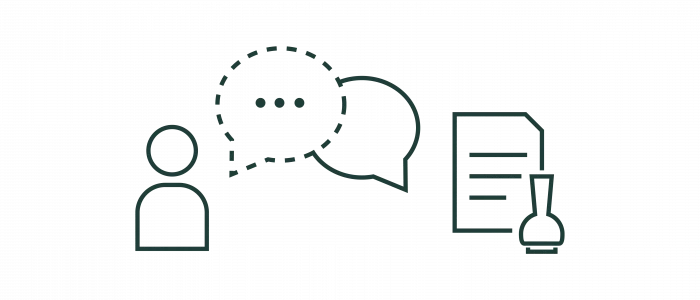
In the next step, the application is prepared. This process is carried out in close collaboration with the authorities to ensure that all critical issues are coordinated in advance. The application takes into account all protected goods such as noise and shadow effects, visual impairments, nature, and species conservation, as well as landscape and monument protection. A cooperative approach is essential here to identify potential challenges early and overcome them together.

Following the application submission, the authorities ideally issue a confirmation of completeness. From this point, the deadlines for the administrative review begin. The pollution control approval process has a consolidating effect (§ 13 BImSchG). Relevant public interest bodies are involved and the necessary approvals and consents for the operation of the plant(s) are obtained or granted within the framework of the pollution control procedure.

After a comprehensive review by the authorities, the permit notice is issued. In this phase, EEF thoroughly analyzes the notice to ensure that all specified conditions can be optimally implemented within the project. The focus is on ensuring that the requirements are not only technically feasible but also economically sensible.
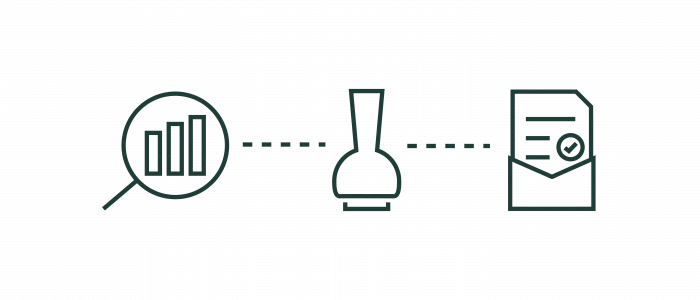
The last step in the approval process is the receipt of the final, binding decision. Once all legal deadlines have passed, this decision marks the starting point for the next value-creation phase of the project.

EEF maintains a large regional and nationwide network. By closely collaborating with our partners, we pool expertise and resources to implement sustainable projects that meet today's and tomorrow's energy needs.
Learn more